
Electrical
Emergency power and UPS — what stays alive when the supply does not
The difference between essential and emergency loads, why a UPS and a generator solve different halves of the same problem, what a battery autonomy figure really promises, and why the generator that has never run under load is not a backup.
When the supply fails, most of a plant stops and that is acceptable. A small part of it must not stop, and a smaller part must not even flicker. Emergency power is the arrangement that decides which is which.
Three categories, decided at design
| Normal | Unlimited — it stops with the supply | Main distribution only | Process pumps, compressors, general lighting, workshops, HVAC |
|---|---|---|---|
| Essential | Seconds, while a generator starts and takes load | Main, with automatic changeover to a standby generator | Lube oil pumps, some cooling, control room HVAC, selected process pumps |
| Emergency / vital | None at all | UPS, backed by the generator once it has picked up | Control system, ESD, fire and gas, escape lighting, communications |
| DC control | None, and it must work when AC has gone | Dedicated battery and charger | Switchgear closing and tripping coils, protection relays, indication |
No rows match that filter.
Every load is assigned a category at design and the assignment is recorded. What drifts is reality: sockets appear on the wrong board over the years, so the installed load is worth measuring rather than reading off the original schedule.
Normal loads stop when the supply does, and the plant accepts it.
Essential loads can tolerate a break of seconds while a generator starts and takes over. Lube oil pumps on large machines, some cooling, control room air conditioning, key process pumps.
Emergency — sometimes called uninterruptible or vital — cannot tolerate any break at all. The control system, the emergency shutdown system, fire and gas detection, escape lighting, communications.
A UPS and a generator solve different halves
They are routinely spoken of as alternatives. They are not.
A UPS has no starting delay because its energy is already stored and already flowing. The load never sees the interruption. What it cannot do is last — the battery holds minutes, not hours.
A generator can run indefinitely on fuel, but it takes time to start, reach speed and accept load. Seconds at best, and that is seconds during which everything on it is dead.
So a plant needing continuity for hours has both: the UPS carries the load through the gap, and the generator takes over before the batteries run down.
Autonomy is a calculation, not a property
The DC system
Separate from the UPS, most plants run a 110 V or 220 V DC battery system for switchgear control: closing coils, trip coils, protection relays, indication.
The reason is the same one that justifies everything else here. A protection scheme has to open a breaker during a fault, which is precisely when the AC supply is disturbed or absent. A battery answers only to itself.
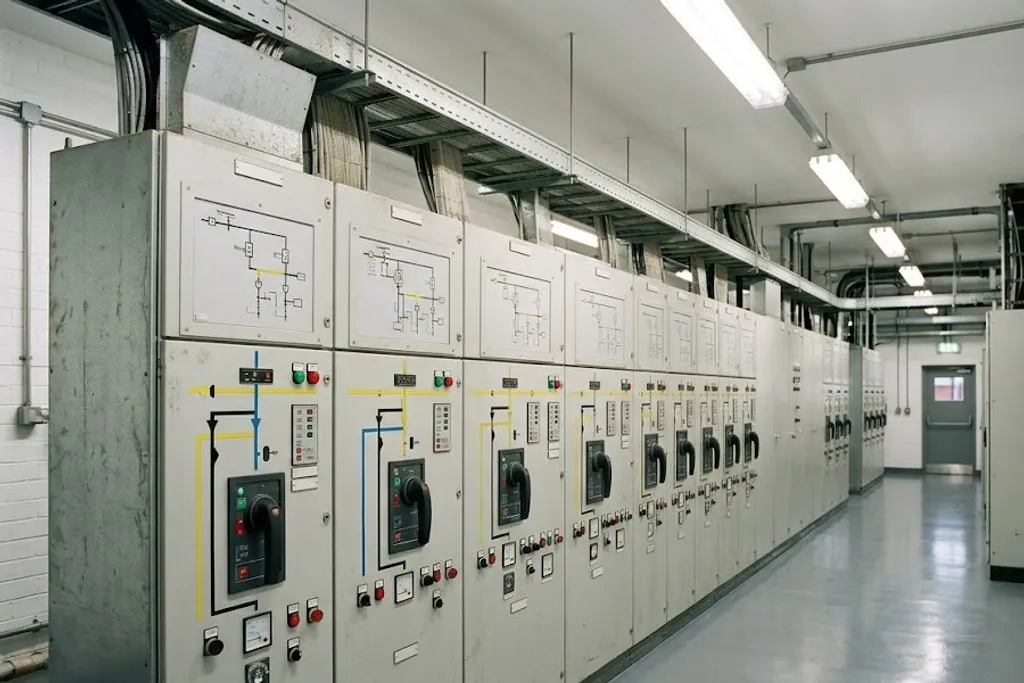
Trip circuit supervision watches that path continuously, because an open trip circuit is invisible until a trip is demanded — at which point the relay operates correctly and nothing happens.
Load shedding
If the surviving source cannot carry what is connected, frequency and voltage collapse and everything is lost rather than some of it.
Load shedding drops the least important loads fast enough to prevent that — in a fraction of a second, on a priority order decided at design and implemented in the protection or the power management system.
Testing, and the illusion of a monthly start
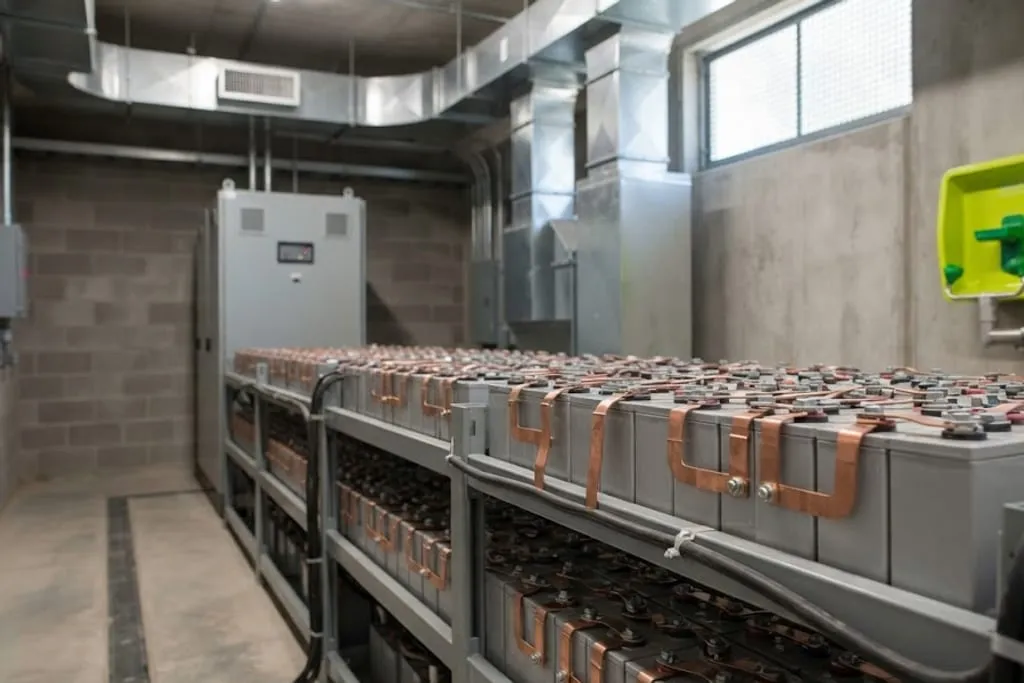
And the part nobody tests: the changeover. An automatic transfer switch that has not operated in three years is a mechanism that may not move. Along with the batteries, it is what actually fails on the day.
What to take away
- Normal, essential, emergency — every load is assigned at design, and the assignment drifts unless somebody checks.
- A UPS covers the gap, a generator covers the duration. They are halves of one answer.
- Autonomy is a calculation eroded by battery age, heat and load growth. Only a discharge test tells you the truth.
- The DC system exists so protection can trip a breaker when the AC supply is gone.
- Load shedding is designed in advance and must be revisited whenever the plant changes.
- Test generators on load. No-load running proves little and actively harms a diesel.
- The changeover switch and the batteries are what fail on the day, not the engine.
Check your understanding
7 questions. Nothing is recorded — this is just for you.